

Imagine this.
A potential customer hears about your business and decides to learn more. Before calling you, visiting your office, or sending a message, they search for your business online.
Your website appears.
Within a few seconds, they form an impression.
• Is this business professional?
• Can I trust them?
• Do they offer what I need?
• Should I contact them?
You may not have spoken to the customer yet, but your website has already started the conversation.
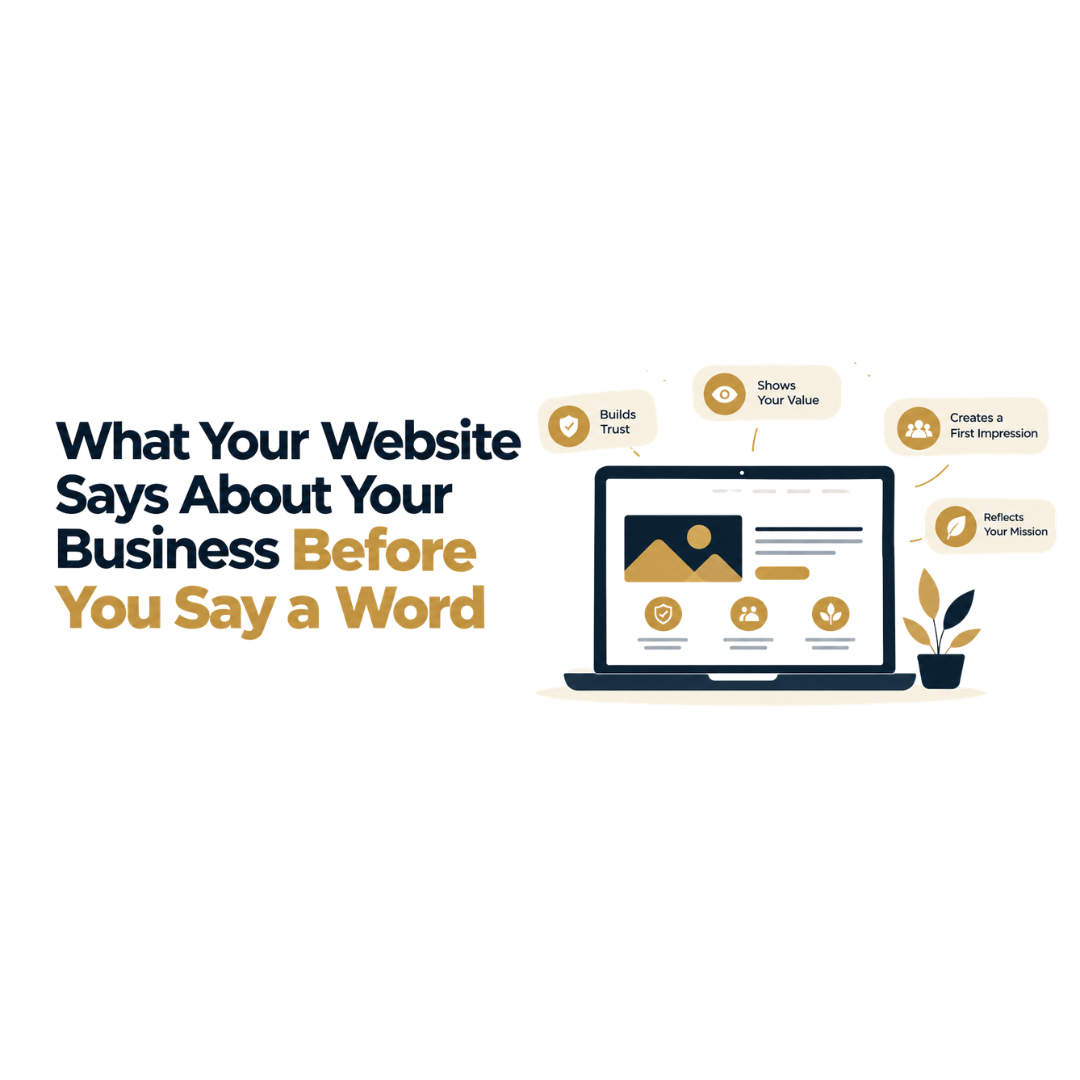
Your website Is often your first impression
In today's digital world, customers often research a business before making a decision. They may search on Google, check reviews, explore social media, or visit your website.
A website that is outdated, difficult to navigate, slow, or missing important information can create doubt, even if your actual products or services are excellent.
On the other hand, a professional website can communicate credibility before you ever speak with a potential customer.
It can show:
• What your business does
• What makes you different
• Your products or services
• Customer reviews and success stories
• How customers can contact you
• Why customers should choose you
A website should do more than look good
A visually attractive website is a good start, but appearance alone is not enough. Your website should be easy to use, mobile-friendly, fast, secure, and optimized for search engines. Most importantly, it should guide visitors toward taking action.
Whether that action is making an inquiry, booking a service, requesting a quote, or making a purchase, every part of the website should support the customer's journey.
What if your website could speak?
Think of your website as an employee representing your business 24/7.
A good employee welcomes visitors, answers their questions, explains what the company offers, builds trust, and helps them take the next step.
Your website should do the same.
Clear messaging tells visitors who you are. Strong visuals create interest. Useful information builds trust. Simple navigation reduces frustration. Clear calls to action turn interest into opportunities.
And with people increasingly using AI tools alongside search engines to discover businesses and information, having clear, well-structured online content is becoming even more important.
Your digital first impression matters
You only get one first impression and online, it can happen in seconds.
Your business may have exceptional products, talented people, and years of experience. But if your website doesn't communicate that value, potential customers may never discover what you can offer.
A website should not simply say, “We exist.”
It should say, “Here is who we are, here is what we can do for you, and here is why you can trust us.”
Frequently Asked Questions
How quickly do people form an impression of a website?
Studies on web credibility suggest people form an initial impression in a fraction of a second, well before they've read any content, meaning design and clarity carry the first message, not your copy.
Can a good website really affect whether someone trusts my business?
Yes. Trust signals like testimonials, transparent pricing, real photos, and professional design measurably reduce hesitation and make visitors more comfortable taking the next step, whether that's a purchase, inquiry, or booking.
What's the fastest way to improve a website's first impression?
Start with the essentials: a clean, current design, fast load times, clear navigation, and a headline that immediately states what you do and for whom. These have an outsized effect on first impressions compared to smaller details.
Does website design matter more than the content itself?
They work together. Design determines whether a visitor sticks around long enough to read your content at all; content determines whether they act once they do. Neglecting either one undermines the other.
How do I know if my current website is hurting my business?
Signs include high bounce rates, low inquiry or conversion numbers, outdated design elements, unclear messaging, and slow load times. Any of these can quietly push visitors away before they ever consider your actual offer.
Your website is talking to every visitor, whether you're in the room or not, and it's making its case in seconds, not minutes. The question worth asking isn't whether your website is saying something about your business. It's whether it's saying what you actually want it to.
If you're not sure what your current website is communicating, or want it to say something better, M.I.H Group can help you build a website that reflects the business you actually are. Let's make sure your first impression is the right one.